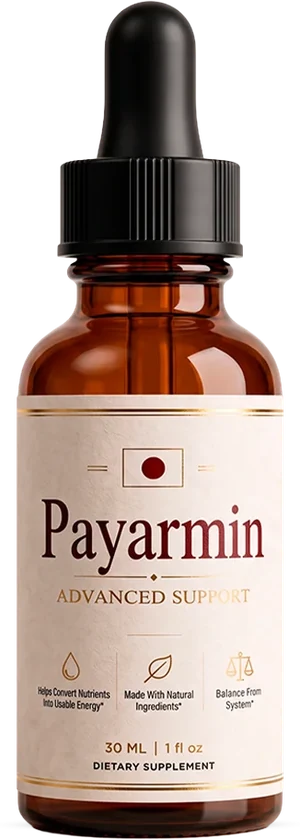
Quick answer: PayArmin lists six ingredients: chromium picolinate, Gymnema sylvestre leaf, African mango seed, green tea leaf, maca root and Panax ginseng. No amounts are published. Chromium, Gymnema and ginseng may lower blood sugar, so check with a doctor if you take diabetes medicine.
What we know
First, an honesty note
Honesty note: the official page names six ingredients but shows no Supplement Facts panel with amounts. We do not invent doses. Always go by the label on your bottle, and show it to your doctor if you take diabetes medicine.
A dropper holds about 1 mL. Chromium works in micrograms, so it fits easily in a liquid. Herbs like Gymnema (studied at 400 to 500 mg) and maca (1.5 to 3 g) are harder to match in a small serving, which is one reason to expect modest effects.
The six ingredients
Chromium picolinate
A trace mineral involved in how insulin works. Meta-analyses find small, inconsistent effects on fasting glucose and HbA1c, mostly in people with type 2 diabetes at 200 to 1,000 mcg a day.
NIH ODS chromium fact sheetGymnema sylvestre leaf
An Ayurvedic herb nicknamed "sugar destroyer" because it briefly blunts sweet taste. Small trials suggest it may lower blood sugar; it can add to the effect of diabetes medicines.
Gymnema research on PubMedAfrican mango seed (Irvingia gabonensis)
Studied mainly for weight and cholesterol in a few small trials from one region. Reviews call the evidence weak and the study quality low.
Irvingia research on PubMedGreen tea leaf
Contains catechins (EGCG) and caffeine. Reviews show small changes in fasting glucose. Concentrated green tea extract has rare reports of liver injury, and the official page calls the formula stimulating.
NCCIH on green teaMaca root
A Peruvian root studied for energy, mood and libido at 1.5 to 3 g a day. There is no good human evidence that it changes blood sugar.
Maca research on PubMedPanax ginseng
Some small trials of ginseng root found modest drops in fasting glucose. It can interact with diabetes medicines and blood thinners such as warfarin.
NCCIH on Asian ginsengEvidence at a glance
| Ingredient | Claimed role | Evidence |
|---|---|---|
| Chromium picolinate | Insulin action | Mixed; small effects in type 2 diabetes |
| Gymnema | Glucose, cravings | Limited, small trials |
| African mango | Weight, metabolism | Weak, low-quality trials |
| Green tea | Energy, antioxidants | Small glucose effect; caffeine is reliable |
| Maca | Energy, mood | Limited; no glucose evidence |
| Panax ginseng | Glucose, vitality | Limited, small trials of the root |
Key cautions
- Chromium, Gymnema and ginseng may add to diabetes medicines and cause low blood sugar.
- Green tea adds caffeine; the official page calls the formula stimulating.
- Concentrated green tea extract has rare liver injury reports.
- Ginseng may interact with warfarin and other blood thinners.
More on the how to use page. Deeper reading: chromium and Gymnema.
References
- NIH Office of Dietary Supplements: Chromium fact sheet.
- PubMed: Gymnema sylvestre and glycemic control.
- NCCIH: Green tea.
- NCCIH: Asian ginseng.
- NCCIH: Diabetes and dietary supplements.
- CDC: Prediabetes and preventing type 2 diabetes.
- NIDDK: Low blood glucose (hypoglycemia).
Frequently asked questions
General information, not medical advice. PayArmin is a dietary supplement and is not intended to diagnose, treat, cure or prevent any disease.